
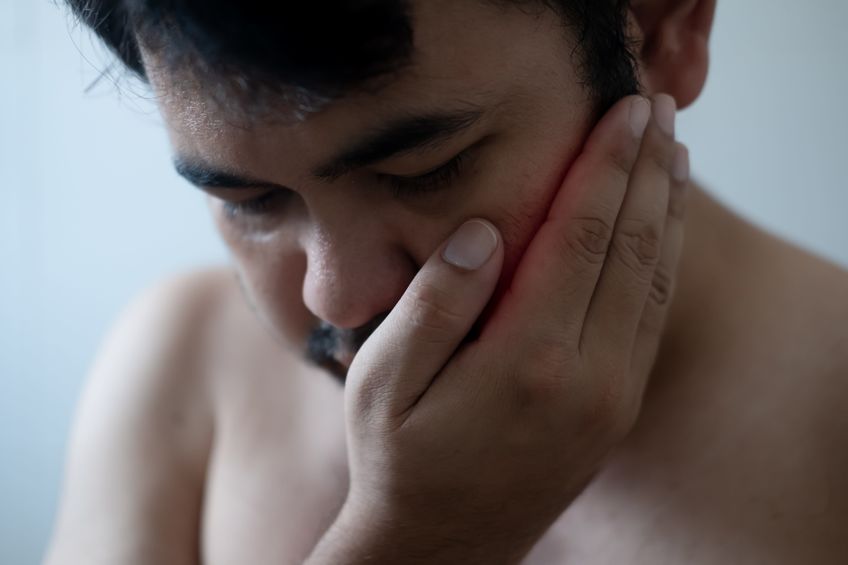
Teeth grinding at night, also known as bruxism, is a common condition that many people don’t even realize they have. Often occurring during sleep, this habit can go unnoticed until symptoms begin to appear. While it may seem harmless at first, chronic grinding can lead to significant dental issues if left untreated.
The Effects of Nighttime Teeth Grinding
Grinding your teeth puts excessive pressure on your teeth, jaw, and surrounding muscles. Over time, this can wear down enamel, leading to increased sensitivity and a higher risk of cavities. In more severe cases, teeth may crack, chip, or become loose.
Beyond the teeth themselves, bruxism can also affect your jaw. Many patients experience soreness, stiffness, or even symptoms of temporomandibular joint (TMJ) disorders. This can make everyday activities like chewing or speaking uncomfortable. Chronic headaches, especially in the morning, are another common sign that nighttime grinding is taking a toll on your oral health.
Common Causes of Bruxism
There are several reasons why people grind their teeth at night. Stress and anxiety are among the most common triggers, as tension often carries over into sleep. Misaligned teeth or an abnormal bite can also contribute, as your jaw may unconsciously try to find a more comfortable position.
Other factors, such as caffeine consumption, alcohol use, or certain medications, may increase the likelihood of grinding. As such, identifying the root cause is an important step in determining the most effective treatment.
How a Dentist Can Help
A dentist plays a crucial role in both diagnosing and treating bruxism. During a routine exam, signs such as enamel wear, jaw tenderness, or tooth damage can indicate grinding. From there, a personalized treatment plan can be developed to protect your smile.
One of the most common and effective solutions is a custom night guard. Notably, a night guard is designed to fit comfortably over your teeth, acting as a protective barrier that reduces pressure and prevents further damage. If bite alignment is contributing to the issue, orthodontic treatment options may be recommended to correct the problem at its source.
In addition to dental appliances, your dentist may suggest lifestyle adjustments to help reduce grinding. Stress management techniques, improved sleep habits, and limiting stimulants can all make a difference. For more advanced cases, additional therapies may be discussed to address underlying jaw issues.
Genesee Dental stays at the forefront of modern dental care through continued education and advanced techniques. Our goal is to provide effective, personalized solutions that help protect your long-term oral health.
If you’re experiencing symptoms like jaw pain, headaches, or tooth sensitivity, it may be time to see the dentist. Contact us to make an appointment at our office in Batavia, NY.