
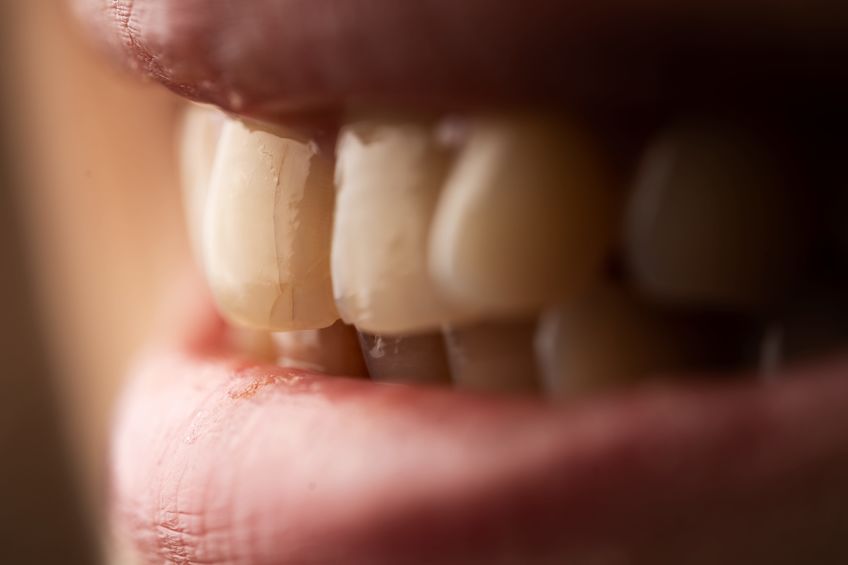
Tooth enamel is the hard outer layer that helps protect your teeth from everyday wear, decay, and sensitivity. Although enamel is incredibly strong, it can gradually wear away, and unlike some other tissues in the body, it cannot regenerate once it is lost. Fortunately, a few everyday habits can go a long way toward protecting your tooth enamel and maintaining a healthy smile.
Pay Attention to What You Eat and Drink
Acid is one of enamel’s biggest threats. Frequently consuming acidic foods and beverages can gradually weaken the enamel and make it more vulnerable to erosion. Soda, sports drinks, citrus fruits, fruit juices, and certain candies are common sources of acid. You do not necessarily have to eliminate acidic foods entirely. Instead, consider limiting how frequently you consume them and drinking water afterward to help rinse your mouth. What’s more, it make sense to use a straw for acidic or sugary beverages to reduce direct contact with your teeth.
Sugar is another concern because bacteria in the mouth feed on sugar and produce acids that can contribute to tooth decay. Limiting frequent snacking on sugary foods and maintaining a balanced diet can help reduce these acid attacks.
Practice Enamel-Friendly Oral Hygiene
Regular brushing and flossing are essential, but technique matters. Brush your teeth twice daily with a soft-bristled toothbrush and fluoride toothpaste. Fluoride helps strengthen enamel and can assist in re-mineralizing areas that have begun to weaken.
Avoid brushing aggressively, as excessive pressure can contribute to enamel wear over time. You should also consider waiting about 30 minutes after consuming acidic foods or drinks before brushing. Because acid temporarily softens enamel, brushing immediately afterward may contribute to erosion.
Daily flossing and preventive dental care are also important. Removing plaque from between the teeth helps reduce your risk of cavities and gum problems while supporting your overall oral health.
Watch for Habits That Can Damage Enamel
Enamel can also be damaged mechanically. Chewing ice, biting your fingernails, using your teeth to open packages, and chewing on pens or other hard objects can cause chips, cracks, or unnecessary wear.
Teeth grinding and clenching can also gradually wear down enamel. If you regularly wake up with jaw discomfort, headaches, or sensitive teeth, mention these symptoms during your next dental visit.
Protecting enamel is an important part of keeping your natural teeth strong for years to come. Along with good daily habits, routine dental exams and cleanings can help identify enamel erosion, decay, and other concerns before they become more serious. If you have questions about enamel loss, sensitivity, or your oral health, contact Genesee Dental to schedule an appointment.